



Newsroom / Center News
Grid Modernization and Smart Flexibility
Accelerating Renewable Integration Requires a New Infrastructure Model
Greece is rapidly expanding renewable capacity, with wind and solar generation expected to surpass 50% of total electricity production by 2025. The updated National Energy and Climate Plan (NECP) sets a target of approximately 28–30 GW of installed RES capacity by 2030. This expansion signals a strong national commitment to decarbonisation but requires a fundamental shift from a centralized, fossil-based grid system to a flexible, digitally enabled infrastructure capable of integrating high volumes of variable generation.
Infrastructure Bottlenecks and the Need for Systemic Flexibility
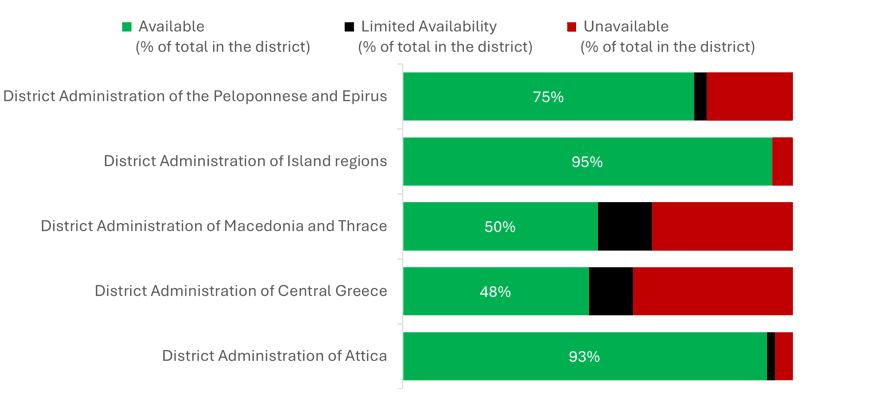
Despite strong investment interest, more than 30 GW of RES connection requests remain pending due to congestion in both transmission and distribution networks. Saturated substations, delays in reinforcement projects, and limited real-time visibility over system conditions hinder grid access and slow project monetisation. Without a modernized network that supports dynamic balancing and efficient energy dispatch, the rapid addition of new capacity risks outpacing system readiness, constraining investor confidence and national decarbonisation timelines.
Smart Grid Investments as a National Transformation Axis
Grid modernization is increasingly recognised as a core driver of resilience, competitiveness, and investment scalability. Key planned interventions include:
- ADMIE (IPTO) is implementing a €5 billion Ten-Year Network Development Plan (TYNDP) to 2030, focusing on major interconnections, digital substations, and system automation.
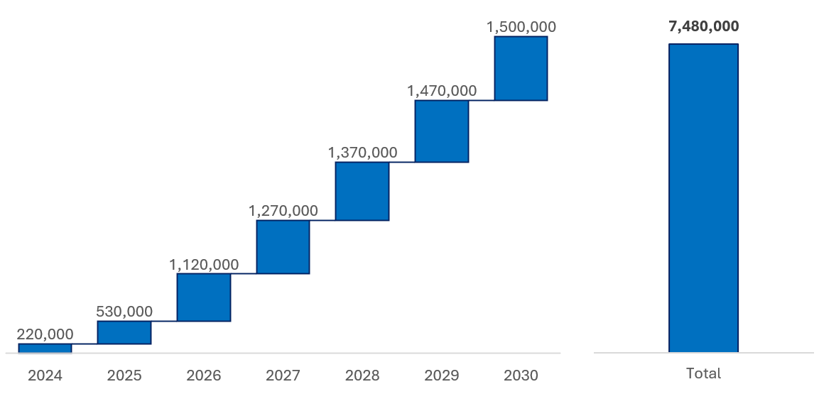
- HEDNO (Distribution System Operator) is rolling out a more than €3 billion investment programme, including the deployment of approximately 7.5 million smart meters by 2030. Today, smart meter penetration remains below 10%, limiting load visibility and demand-side flexibility.
- Real-time monitoring systems and AI-based forecasting tools are gradually being integrated, yet the commercial activation of demand response and aggregators remains at an early stage.
- Digital grid control architecture is expected to enable bi-directional energy flows, greater participation of prosumers and storage units, and a transition from passive consumption to active flexibility provision.
These developments are critical for unlocking lower-cost balancing mechanisms, reducing curtailments, and enabling more efficient utilisation of the country’s renewable output.
Smart Flexibility as a Catalyst for Affordability, Security and Investment Confidence
A fully enabled smart grid is not only an infrastructure upgrade. Even more so, it is a strategic enabler of system-wide performance. Its deployment is essential to:
ü Facilitate the transition from gas-based balancing to storage and demand-side flexibility.
ü Reduce system costs and wholesale price volatility, enhancing industrial competitiveness.
ü Provide investors with transparency and assurance regarding capacity availability and dispatch conditions.
ü Empower consumers, prosumers, and aggregators as active market participants.
Conclusion: Beyond Generation—The Need for a Smarter Grid
The dominant narrative of the energy transition has centered on rapid RES deployment, a necessary but incomplete strategy. The critical challenge now is shifting focus from simply generating green energy to effectively managing it.
The investment gap between generation and infrastructure must be closed. This requires a rapid, comprehensive move toward grid modernization.
- Smart Grid Infrastructure: Investment must be channeled into advanced digital controls, sensors, and distribution network upgrades with a potential of handling bi-directional power flow (from rooftop solar to the grid), which is impossible with current, outdated infrastructure.
- Smart Metering: The widespread installation of smart meters is essential to provide accurate, real-time data to both the utility and the consumer. This infrastructure is the backbone for implementing innovative pricing and demand-side management programs.
- Active Consumer Participation (Demand Response): Crucially, the system must enable and incentivize consumers to become active participants. By responding to real-time price signals or grid congestion alerts—known as demand response—households and businesses can automatically or manually shift high-consumption activities to times when renewable energy is abundant and cheap. This behavioral shift, underpinned by smart technology, transforms variable demand into a virtual energy buffer, dramatically reducing the reliance on high-cost, fossil-fueled backup power and lowering overall system costs.
For Greece, this integrated approach—combining generation, grid intelligence, and active consumer flexibility—offers the most robust path to achieving its climate goals, stabilizing its grid, and fundamentally tackling the root causes of energy poverty by delivering cheaper, cleaner, and more resilient power. The future of the energy system does not just need more electrons; it needs smarter, more responsive markets and wires.